Communities are often asked to stop environmentally harmful practices without being offered practical alternatives. NYCPN’s work is built on the belief that sustainable change only happens when communities are supported with realistic, affordable solutions they can adopt immediately.
Briquettes / Clean Energy
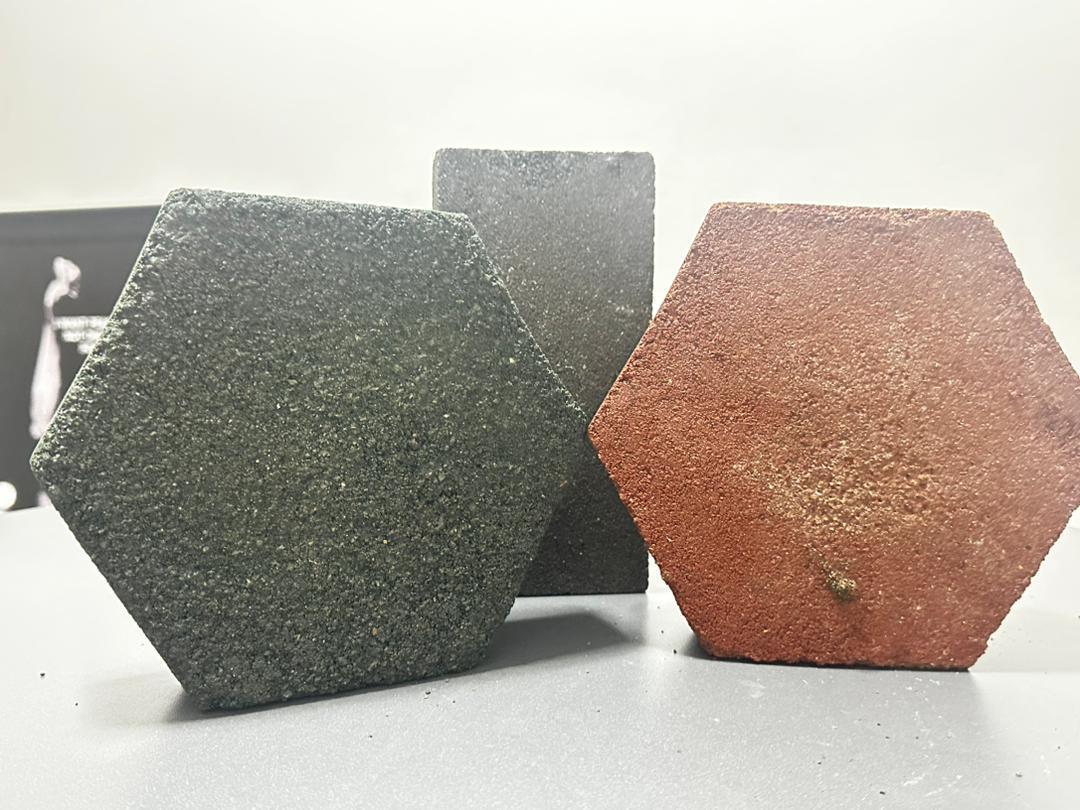
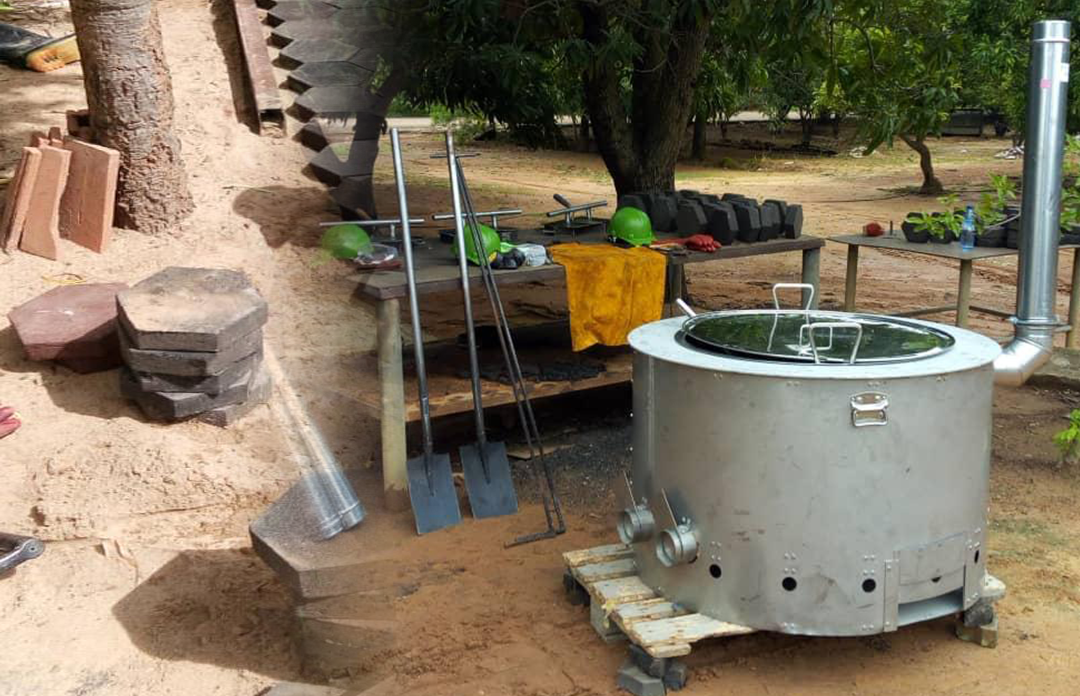
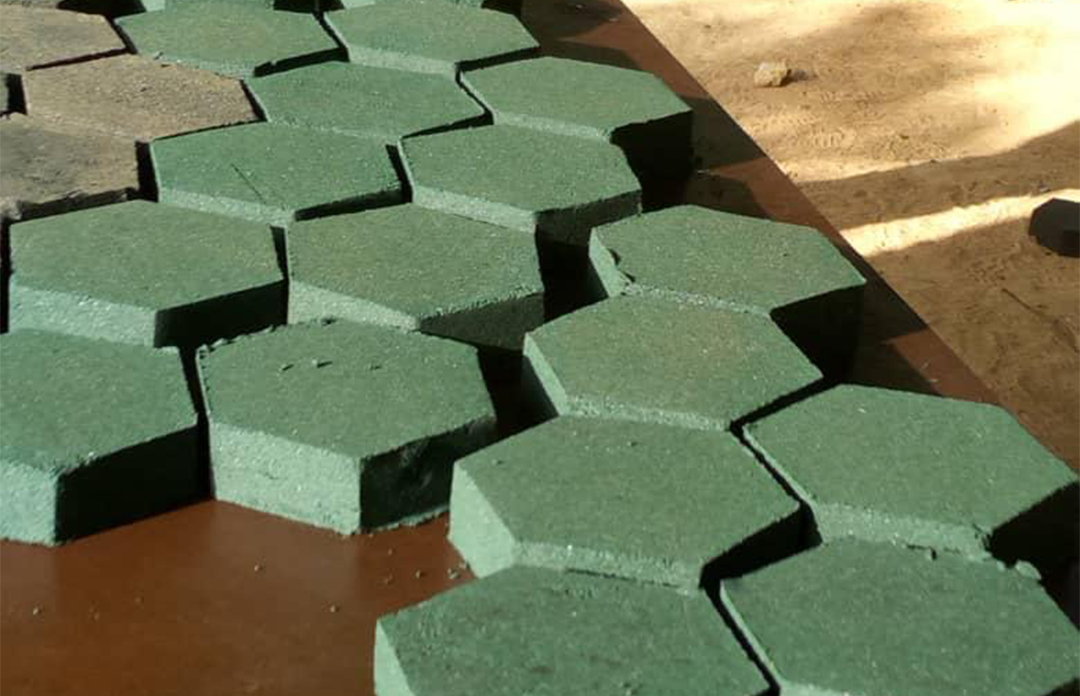
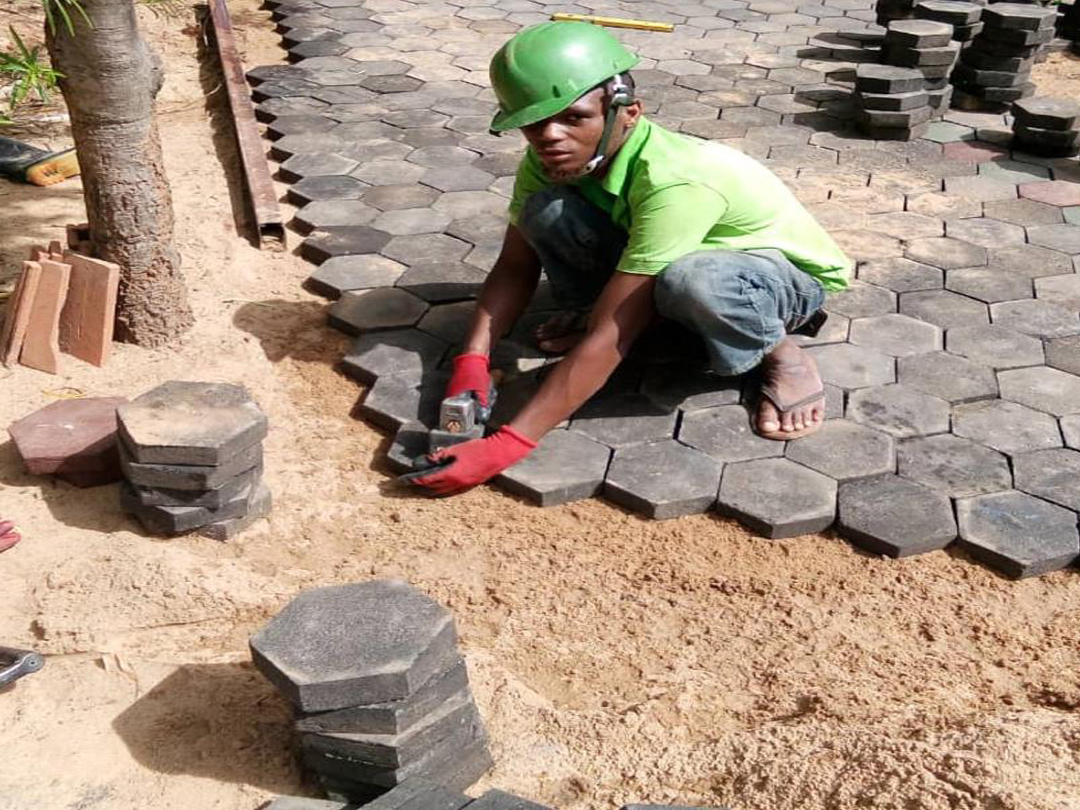
Interlocking blocks / Plastics & Flood Resilience
Soil health / Probiotics
Clean Energy & Forest Protection (Briquettes)
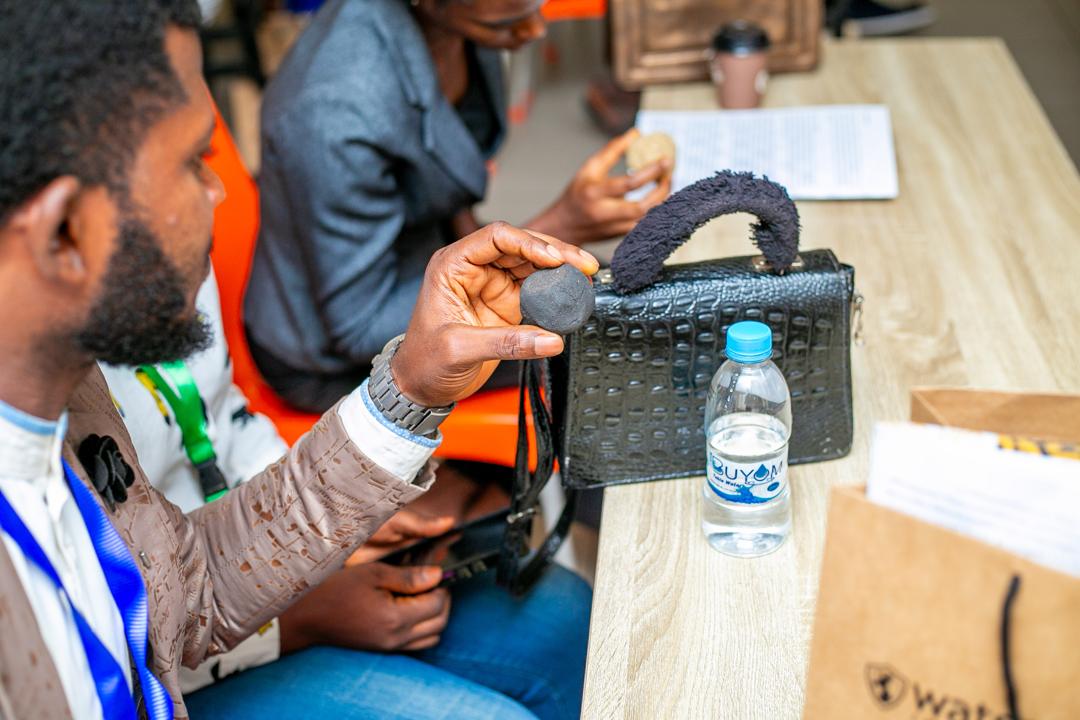
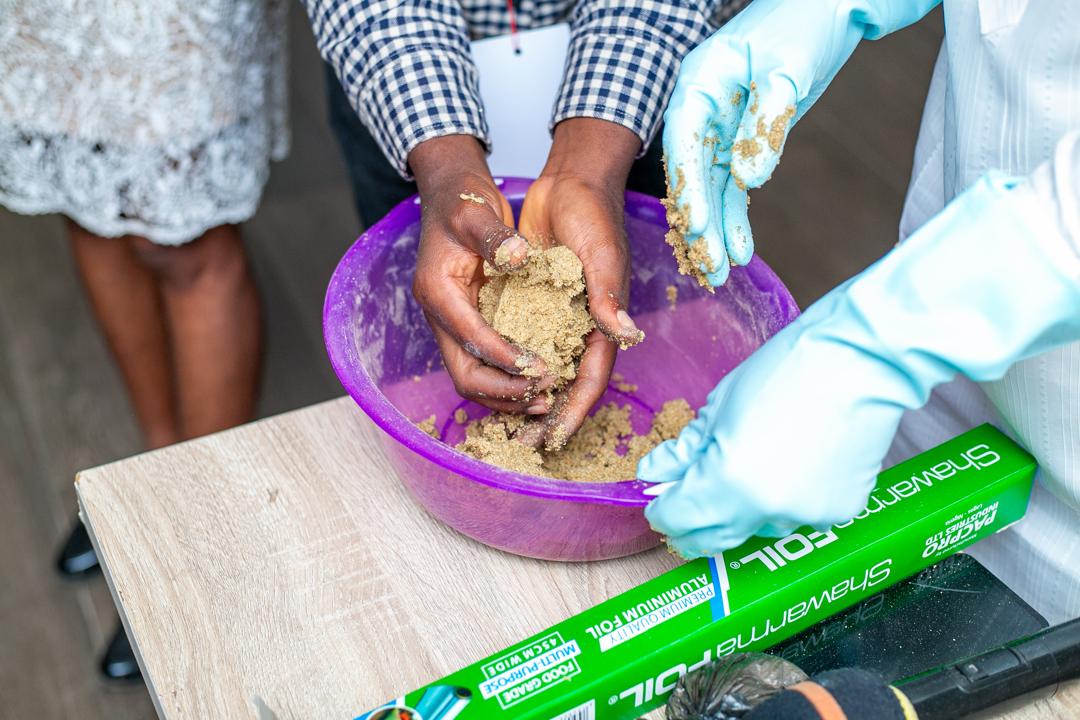
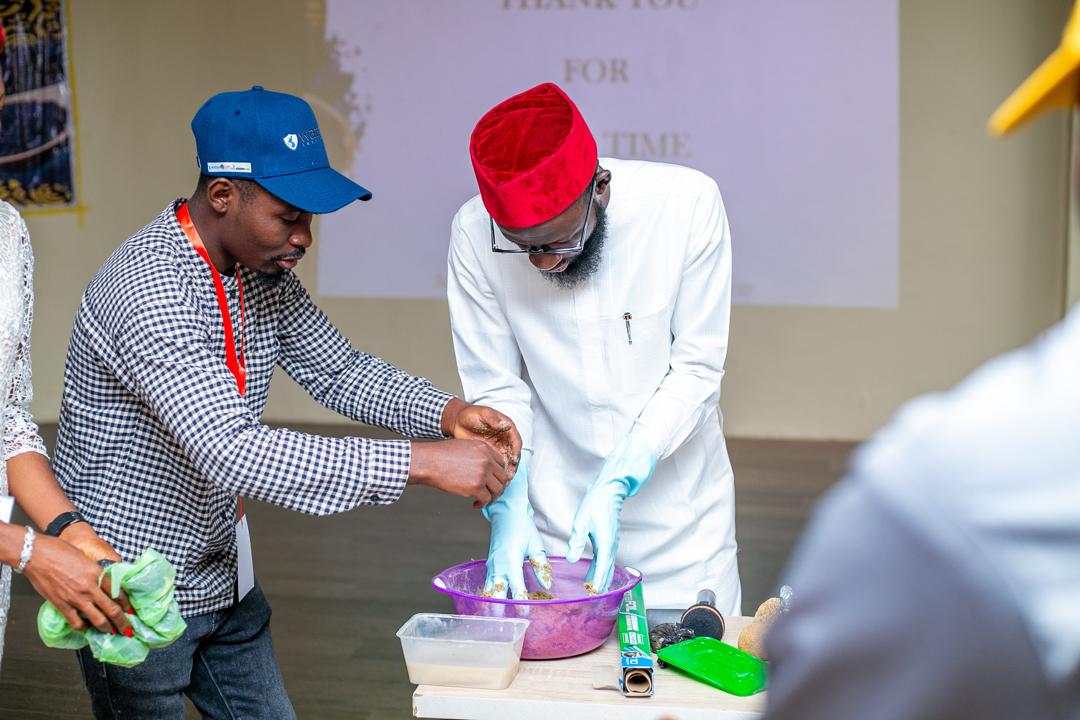
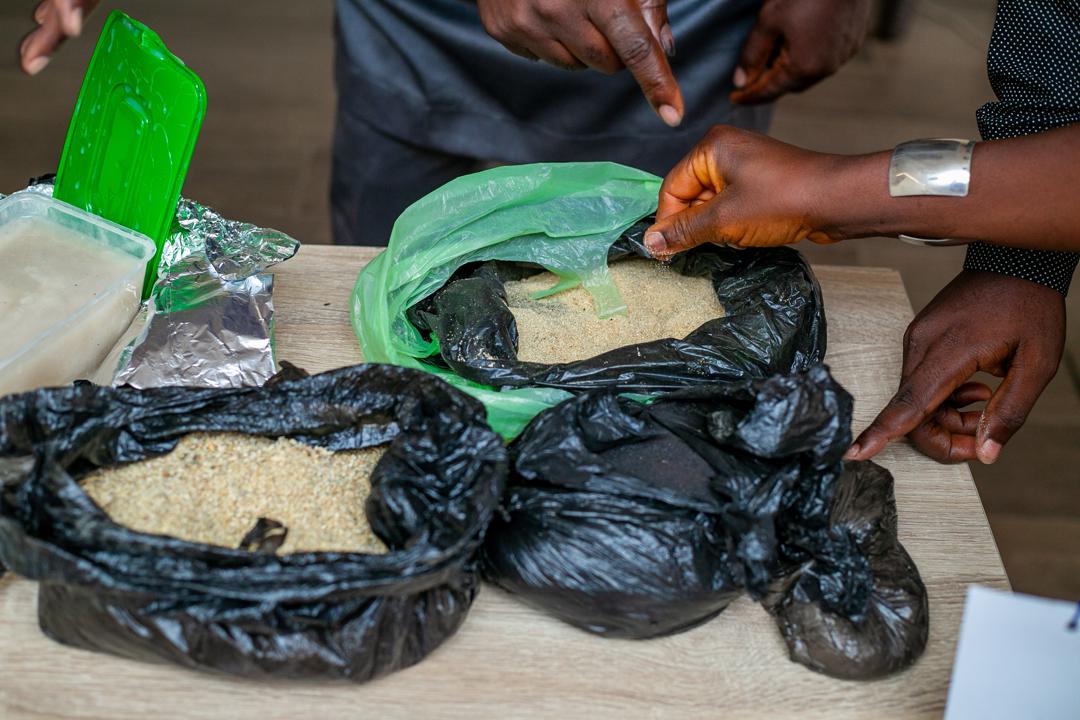
In many remote farming communities, households depend on firewood for daily cooking, leading to ongoing deforestation. When communities were encouraged to reduce tree cutting, the most common question was what alternative fuel they could realistically use. NYCPN responded by developing agro-waste briquettes as an affordable and locally produced cooking fuel. Through community training and demonstrations, households are introduced to cleaner energy options that reduce pressure on forests while meeting everyday cooking needs.
Plastic waste blocking drainage systems has contributed to frequent flooding, damaging homes and livelihoods. NYCPN addressed this challenge by converting plastic waste into durable interlocking blocks that can be used for flood-resilient construction. This approach reduces plastic pollution while providing communities with practical materials to support recovery and reduce future flood risks.
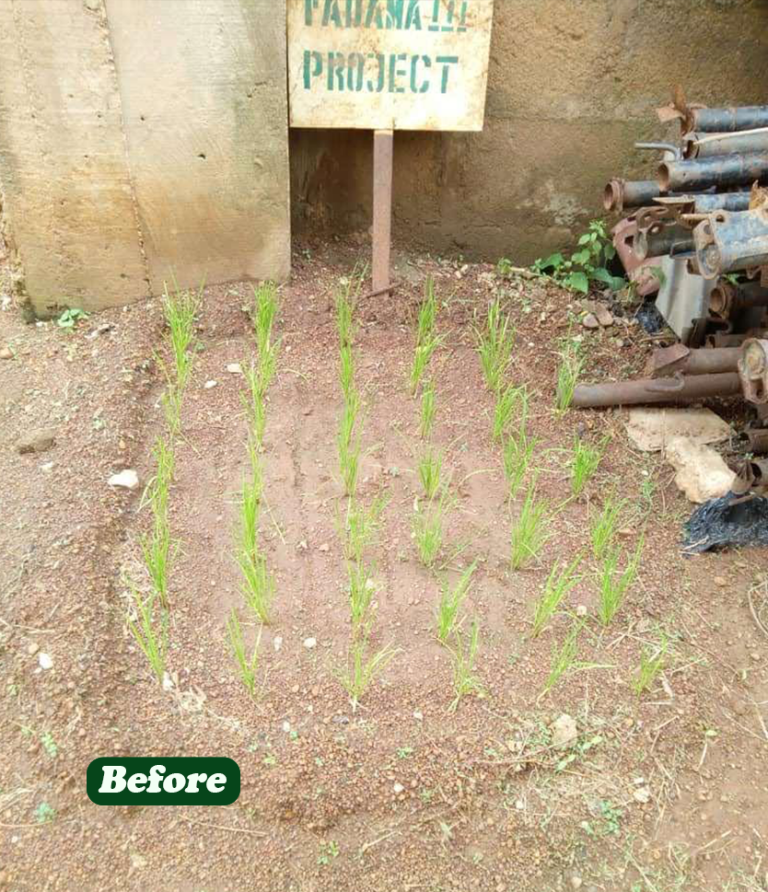
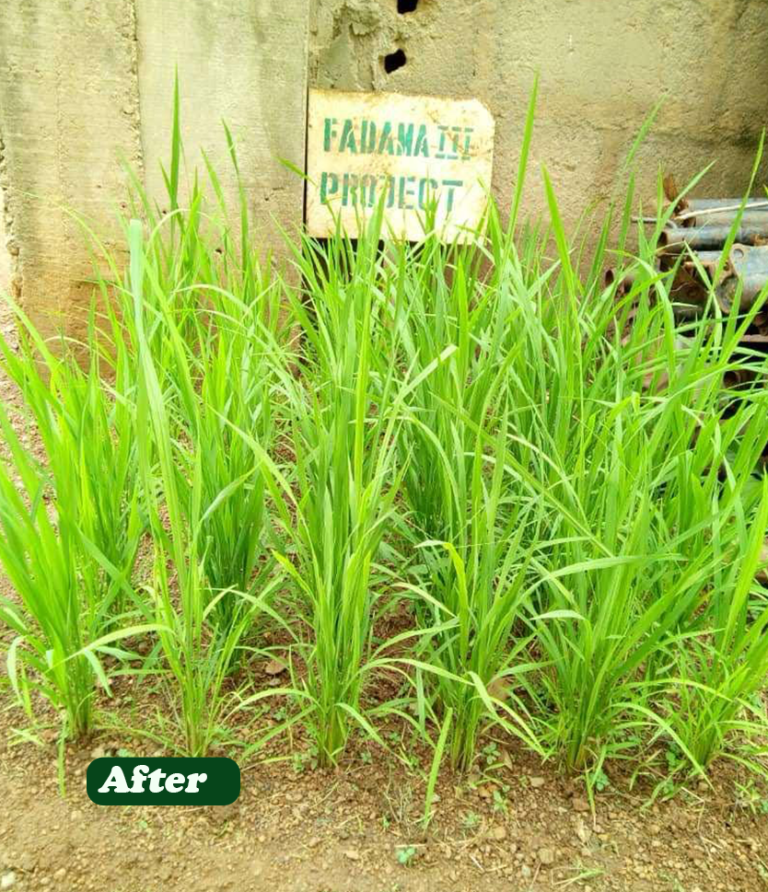
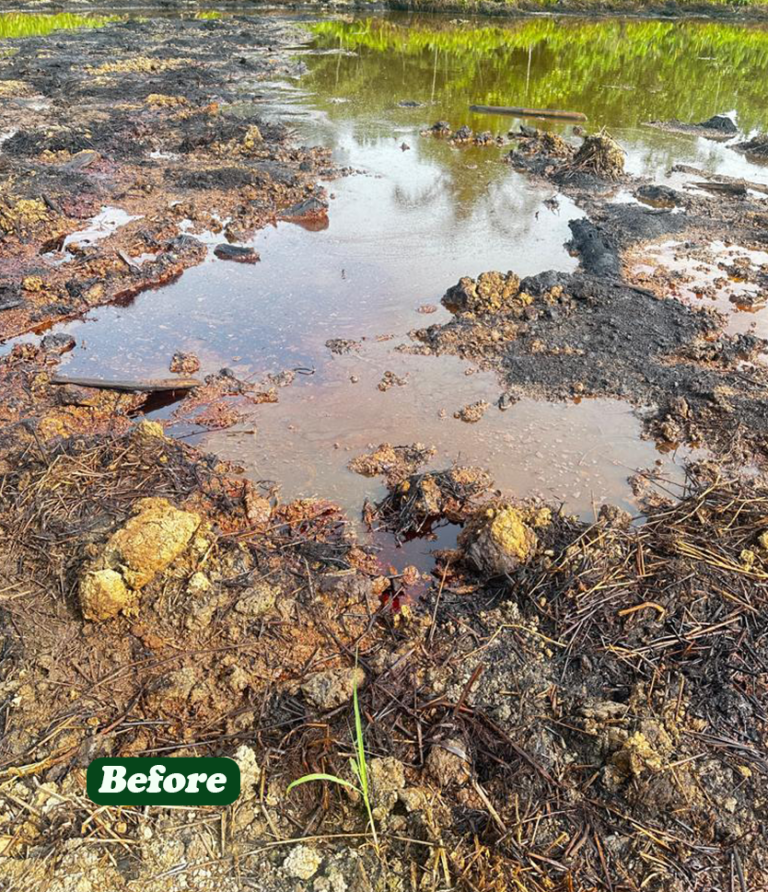
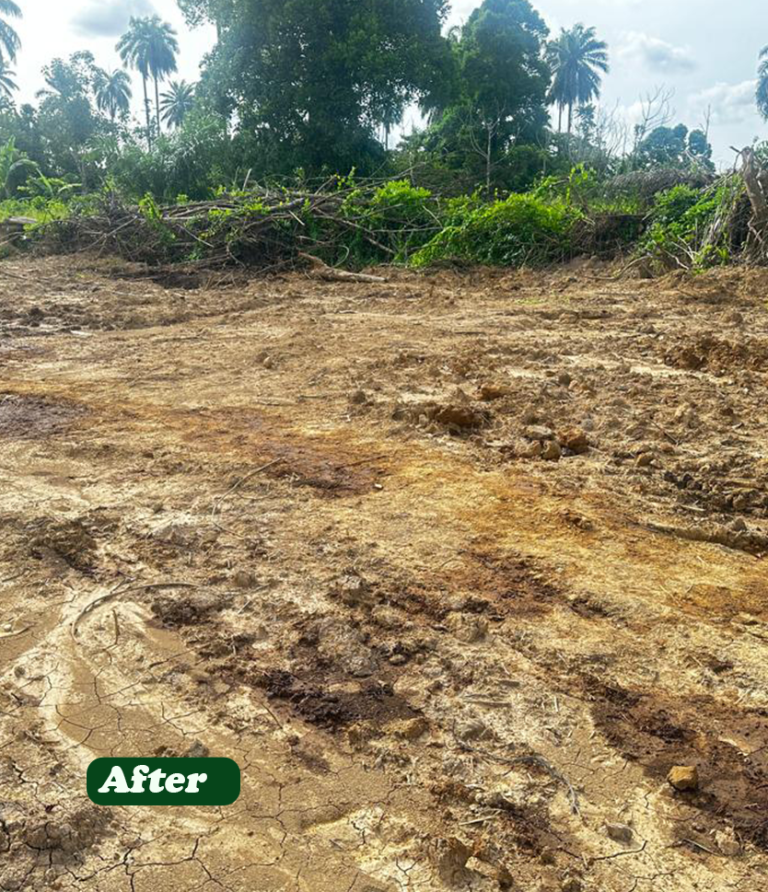
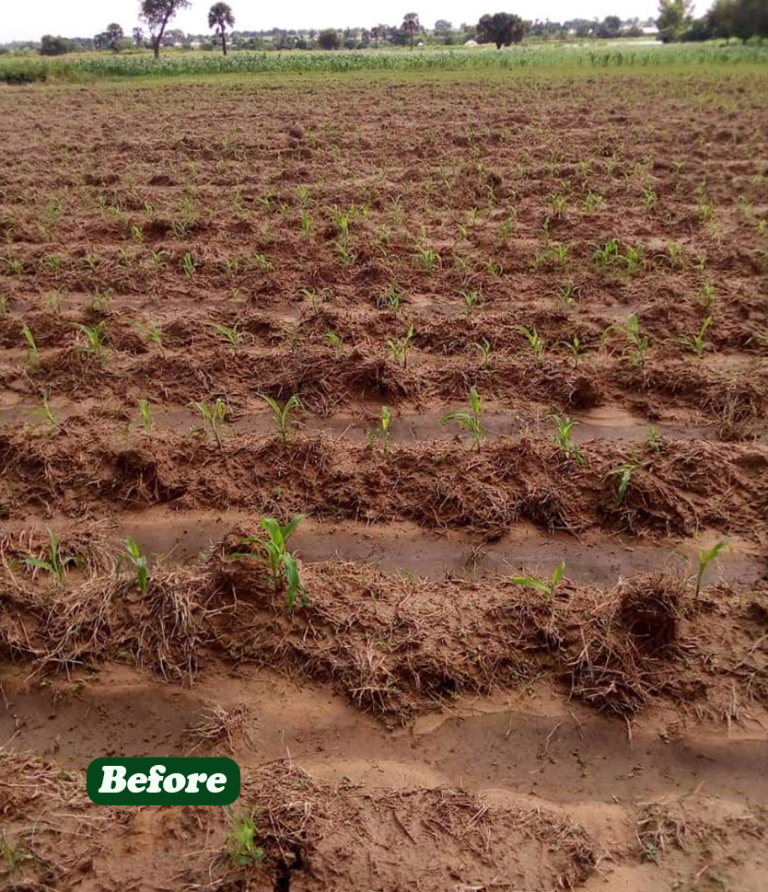
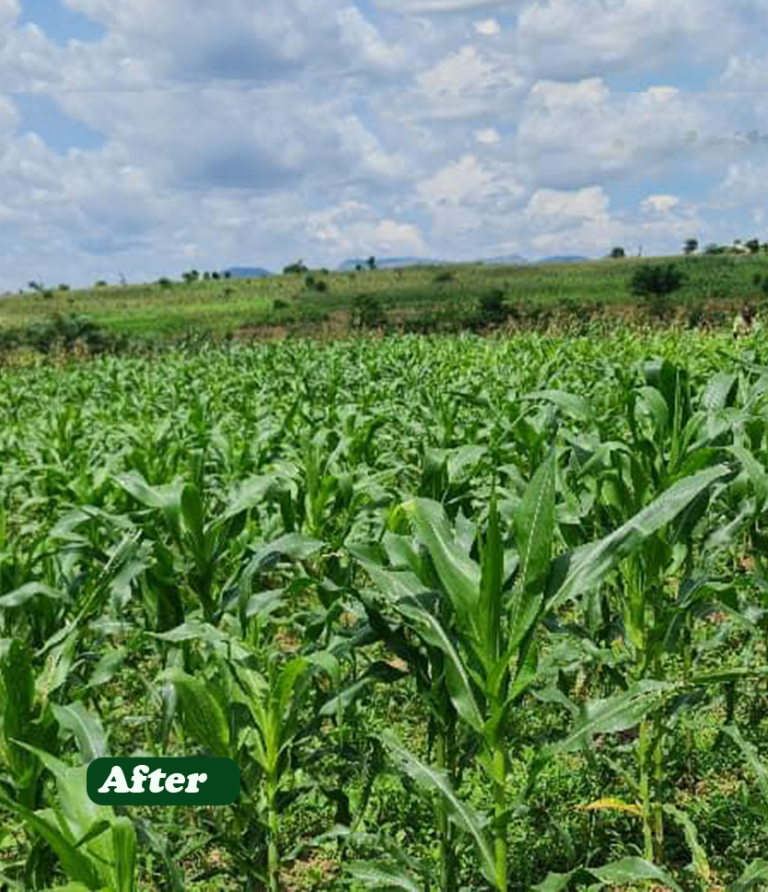
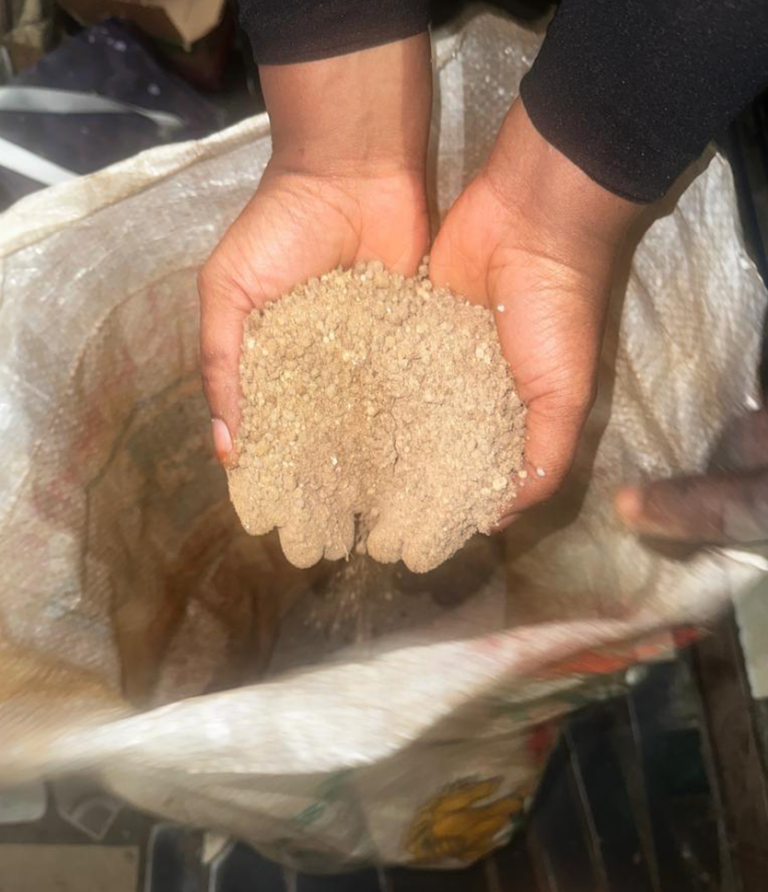
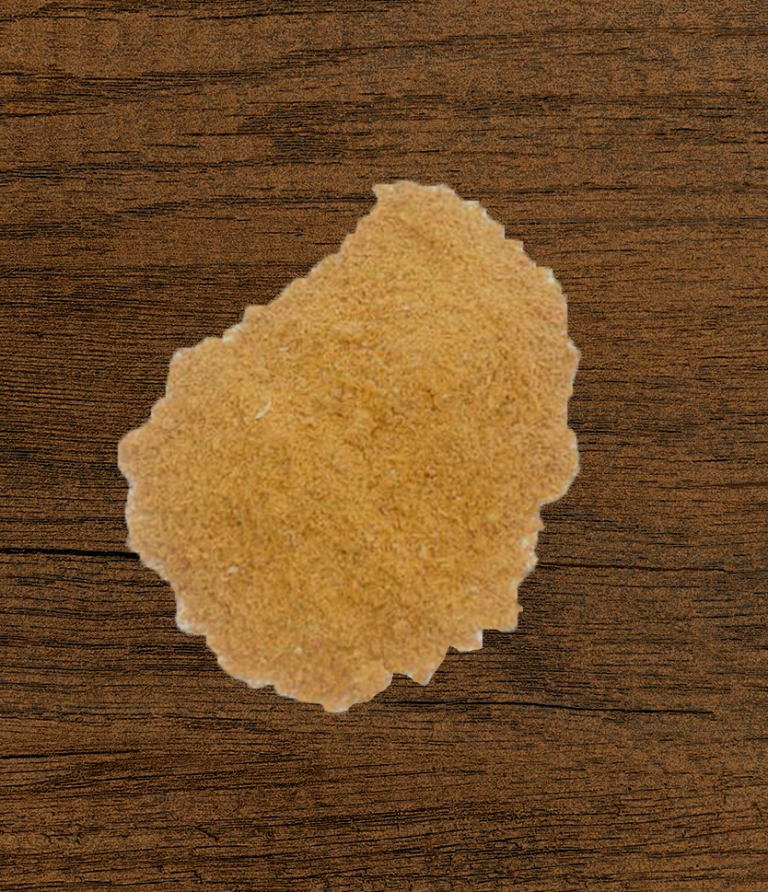
As soil fertility declined, farmers increasingly relied on chemical fertilizers and pesticides, raising concerns around food safety, health, and long-term productivity. When farmers were encouraged to reduce chemical use, the most common question we received was, “What can we use instead?” NYCPN responded by introducing organic microbial soil-enhancement inputs alongside farmer training and soil assessments. This approach supports the recovery of soil microorganisms, reduces chemical dependency, and helps farmers produce safer food while protecting their livelihoods.